YOUR PATH TO CREATING FORTUNES
Adapting to Change: Leveraging the DEMO Framework for Resilience and Growth
Embrace Change: Harnessing the DEMO Framework for Resilience and Growth
Change is a constant in both our personal and professional lives. The ability to adapt to change is a critical skill that can determine our success and well-being. The DEMO Framework, encompassing Discipline, Education, Motivation, and Opportunities, offers a structured approach to not only cope with change but thrive through it. This blog delves into practical ways to leverage each pillar of the DEMO Framework to build resilience and drive growth.
"The measure of intelligence is the ability to change." — Albert Einstein
This quote underscores the importance of adaptability and aligns perfectly with the idea of using the DEMO Framework to navigate and thrive through change.
The Necessity of Discipline in Managing Change:
Structured Flexibility: Maintaining core routines provides stability, but flexibility within those routines allows for adaptability. For example, a project manager might keep their weekly team meetings but adjust the agenda to address new challenges and priorities that arise.
Discipline in Uncertainty: Discipline acts as an anchor during times of change, reducing anxiety and providing clarity. Imagine a professional who sets aside 30 minutes each morning to review industry news and update their strategies accordingly. This routine helps them stay informed and prepared for any shifts.
Education’s Role in Navigating New Waters:
Continuous Learning: Staying relevant requires continuous education. A software developer might take online courses to learn new programming languages or frameworks that are gaining popularity, ensuring they remain competitive in their field.
Proactive Knowledge Seeking: Anticipating changes and seeking relevant knowledge beforehand is crucial. For instance, a marketing professional might research upcoming trends in digital marketing to prepare for shifts in consumer behavior, allowing them to adjust their strategies proactively.
Motivation Through Evolution:
Goal Realignment: Realigning goals with new realities can rejuvenate motivation. Consider a small business owner who shifted from brick-and-mortar retail to e-commerce during the pandemic. By setting new, achievable goals for online sales, they found renewed energy and focus.
Finding Inspiration in Change: Inspirational stories can boost motivation. For example, Airbnb started as a way to rent out space during a design conference but evolved into a global hospitality platform by recognizing and adapting to market needs.
Seizing Opportunities in Times of Change:
Opportunity Identification: Change often brings new opportunities. Tech entrepreneurs, for example, might identify the rise of remote work as an opportunity to develop innovative virtual collaboration tools.
Innovative Response to Change: Encourage innovative thinking to turn challenges into opportunities. Restaurants pivoting to offer delivery and online cooking classes during lockdowns is a prime example of adapting creatively to maintain business.
Adapting to change requires a holistic approach where discipline, education, motivation, and the ability to recognize opportunities work together. The DEMO Framework provides a structured yet flexible methodology to not just survive but actively thrive in the face of change, ensuring continuous growth and resilience.
Reflect on the changes you've recently faced or are currently facing. How can you apply the DEMO Framework to these scenarios? Engage with our community by sharing your thoughts and strategies in the comments. Let's learn from each other and grow together.
Further Reads for your Interest

"Who Moved My Cheese?" by Spencer Johnson
This book provides a simple yet profound narrative on dealing with change in life and work. It uses a parable to illustrate how characters react to unexpected environmental changes, offering practical lessons on adaptability and resilience.

Clear’s book is about making small changes that lead to big results. It’s a guide to building and maintaining positive habits while breaking negative ones, which is crucial for maintaining discipline and motivation.

"Mindset: The New Psychology of Success" by Carol S. Dweck
Dweck explores the concept of fixed vs. growth mindsets and how embracing a growth mindset can lead to success. This book is essential for understanding how our beliefs about our abilities can influence our ability to adapt to change.
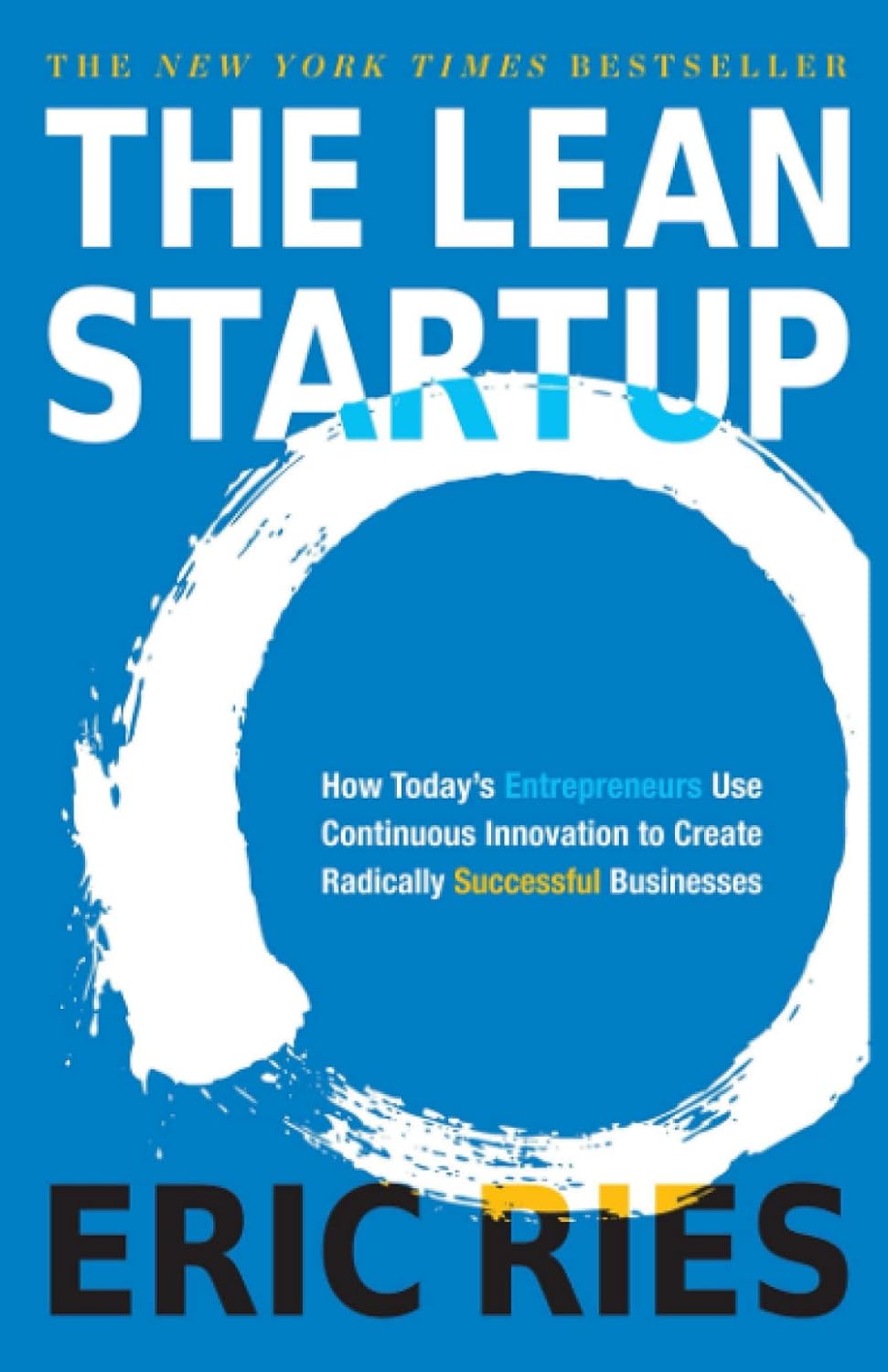
This book introduces the lean startup methodology, which emphasizes agility, iterative product releases, and validated learning. It’s ideal for understanding how to pivot and adapt in a business context.

"Resilience: Hard-Won Wisdom for Living a Better Life"by Eric Greitens
Greitens draws on his experiences as a Navy SEAL and humanitarian to provide insights on building resilience. The book offers practical advice on overcoming challenges and thriving amidst adversity.
GET THE DEMO FRAMEWORK NOW!

Disclosure: There are affiliate links in this post, meaning, at no additional cost to you, we will be compensated if you click through and take action. We are an affiliate marketing business that receives compensation from companies whose products we review on our website.
Disclaimer: This is not a get-rich-quick program nor do we believe in overnight success. We believe in hard work, integrity, and developing your skills if you want to earn more financially. As stipulated by law, we can not and do not make any guarantees about your ability to get results or earn any money with any of our products or services. The average person who buys any "how-to" information gets little to no results. Any references or examples used within this website are real and documented but are used strictly for example purposes only. Your results will vary and depend on many factors, including but not limited to your background, experience, and work ethic. All business entails risk as well as massive and consistent effort and action. If you're not willing to accept that, please DO NOT PURCHASE ANY PRODUCTS FROM US.