YOUR PATH TO CREATING FORTUNES
Enhancing Mental Resilience: A Key to Sustainable Success
Hello Fortune Creators!
In our pursuit of success, we often focus on external strategies such as improving our skills, leveraging opportunities, and maintaining motivation.
However, an equally critical aspect of this journey is mental resilience.
Building mental resilience helps us navigate the inevitable challenges and setbacks we encounter along the way.
Let’s explore how you can enhance mental resilience and sustain long-term success.
Understanding Mental Resilience
Mental resilience is the ability to adapt to adversity, maintain a positive outlook, and bounce back from difficult situations.
It’s not about avoiding stress or adversity but learning to cope and thrive despite these challenges.

Why Mental Resilience Matters
Mental resilience is deeply intertwined with the DEMO Framework's Education, Discipline, and Motivation pillars.
The Education pillar enhances resilience by equipping individuals with the knowledge and skills to tackle challenges and adapt to change. Continuous learning fosters a growth mindset, enabling individuals to approach problems with informed perspectives and innovative solutions. This ongoing education builds confidence in one's ability to overcome adversity, strengthening mental resilience.
Discipline is crucial for mental resilience as it involves the consistent practice of self-control, focus, and perseverance. Developing disciplined habits like regular exercise, mindfulness practices, and structured routines provides stability and predictability, helping individuals navigate uncertainty and stress. Discipline ensures that individuals remain committed to their goals and persist through difficulties, reinforcing their capacity to recover and thrive despite setbacks.
Motivation fuels the drive to overcome obstacles and persist in adversity. It involves intrinsic and extrinsic factors that inspire individuals to stay engaged and committed to their goals. Individuals can sustain their motivation and mental resilience by maintaining a positive outlook, setting inspiring visions, celebrating small wins, and cultivating a supportive environment. This psychological stamina is crucial for handling life's challenges and achieving long-term success.
Together, these pillars create a robust framework that supports the development of mental resilience, enabling individuals to face adversity with confidence, adaptability, and sustained effort.
Stress Management: Resilient individuals manage stress more effectively, reducing its impact on their health and productivity.
Adaptability: They can adapt to changing circumstances and remain flexible.
Perseverance: Resilience fosters perseverance, enabling individuals to stay committed to their goals despite setbacks.
Emotional Regulation: It helps maintain emotional balance, prevent burnout, and promote well-being.
Strategies to Enhance Mental Resilience
Building mental resilience is essential for sustaining success in personal and professional life.
Here are some practical and innovative strategies to enhance mental resilience:
1. Adopt a Growth Mindset
Embrace challenges as opportunities for growth rather than threats.
This perspective helps individuals view challenges as opportunities to learn and grow.
A growth mindset helps you learn from failures and persist in facing difficulties.
Embrace Challenges: Actively seek out and take on challenges that push you out of your comfort zone.
Learn from Criticism: Use constructive feedback as a tool for growth rather than a setback.
Celebrate Effort: Focus on the process and effort rather than just the outcome
2. Practice Mindfulness and Meditation
Mindfulness and meditation help manage stress, improve focus, and enhance emotional regulation.
Techniques such as mindfulness meditation promote relaxed awareness, which is conducive to building resilience.
Guided Meditation Apps: Use apps like Headspace, Calm, or Insight Timer to integrate meditation into your daily routine. These apps offer guided sessions to help manage stress and improve mental clarity.
Mindfulness-Based Stress Reduction (MBSR): Enroll in an MBSR program to learn advanced mindfulness techniques and apply them to everyday life
3. Develop Strong Social Connections
Having a robust support network is crucial for resilience.
Relationships provide emotional support and practical assistance during tough times.
Supportive relationships provide a buffer against stress.
Join Support Groups: Participate in groups related to your interests or challenges you are facing.
Foster Relationships: Regularly connect with friends, family, and colleagues to build and maintain strong relationships.
Network Building: Use platforms like LinkedIn to connect with professionals and expand your support network
4. Engage in Regular Physical Activity
Exercise has been shown to reduce stress, anxiety, and depression while improving mood and overall mental health.
Regular physical activity, adequate sleep, and a healthy diet are foundational for mental resilience.
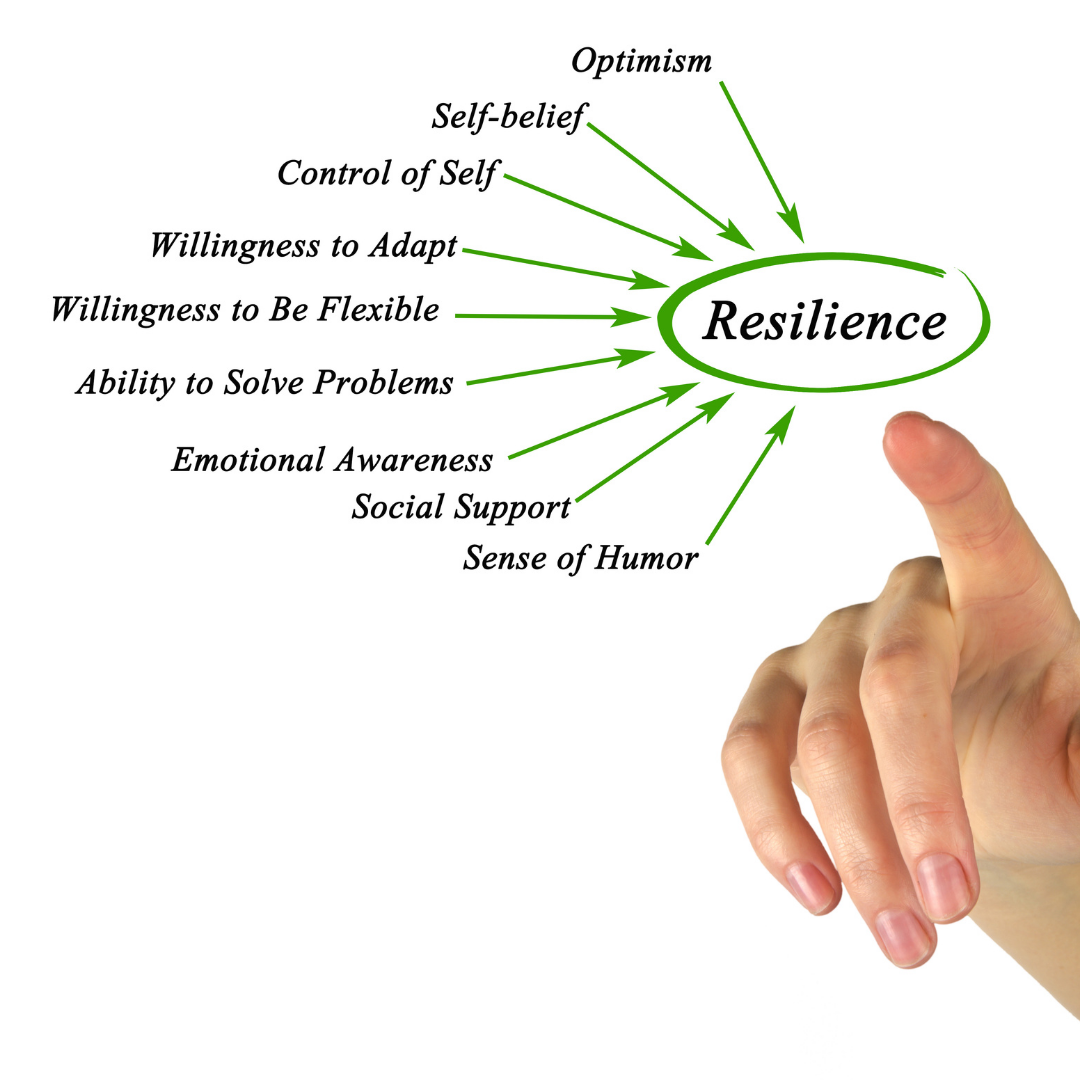
5. Cultivate a Positive Environment
Surrounding yourself with positivity can significantly impact your mental resilience.
This includes both your physical environment and the people around you.
Focus on positive aspects of your life and practice gratitude.
Create a Positive Workspace: Decorate your workspace with motivational quotes, plants, and items that make you happy.
Consume Positive Content: Engage with books, podcasts, and videos that inspire and uplift you.
Avoid Negativity: Minimize time spent with negative influences and focus on relationships that bring positivity into your life
6. Develop Problem-Solving Skills
Effective problem-solving skills enable you to navigate obstacles and challenges more efficiently, enhancing your resilience.
Enhance your ability to tackle challenges by developing strong problem-solving skills.
Approach problems systematically, and don't be afraid to seek help when needed.
Break Down Problems: Divide complex problems into smaller, manageable parts and tackle them step by step.
Use Decision-Making Frameworks: Apply frameworks like SWOT analysis (Strengths, Weaknesses, Opportunities, Threats) to evaluate and address problems systematically.
Seek Diverse Perspectives: Involve others in problem-solving to gain different viewpoints and innovative solutions.
"The greatest glory in living lies not in never falling, but in rising every time we fall."
— Nelson Mandela

This quote by Nelson Mandela perfectly encapsulates the essence of mental resilience.
Mandela’s life itself was a testament to resilience, enduring 27 years in prison and emerging to lead South Africa through a peaceful transition from apartheid to democracy.
His words emphasize that true success and greatness are not defined by the absence of failure but by our ability to recover from setbacks and grow stronger from them.
Enhancing mental resilience is a vital component of sustainable success.
By developing strategies to cope with stress and adversity, you can maintain a positive outlook, adapt to changes, and achieve your goals more quickly.
Book Recommendation for Your Further Interest
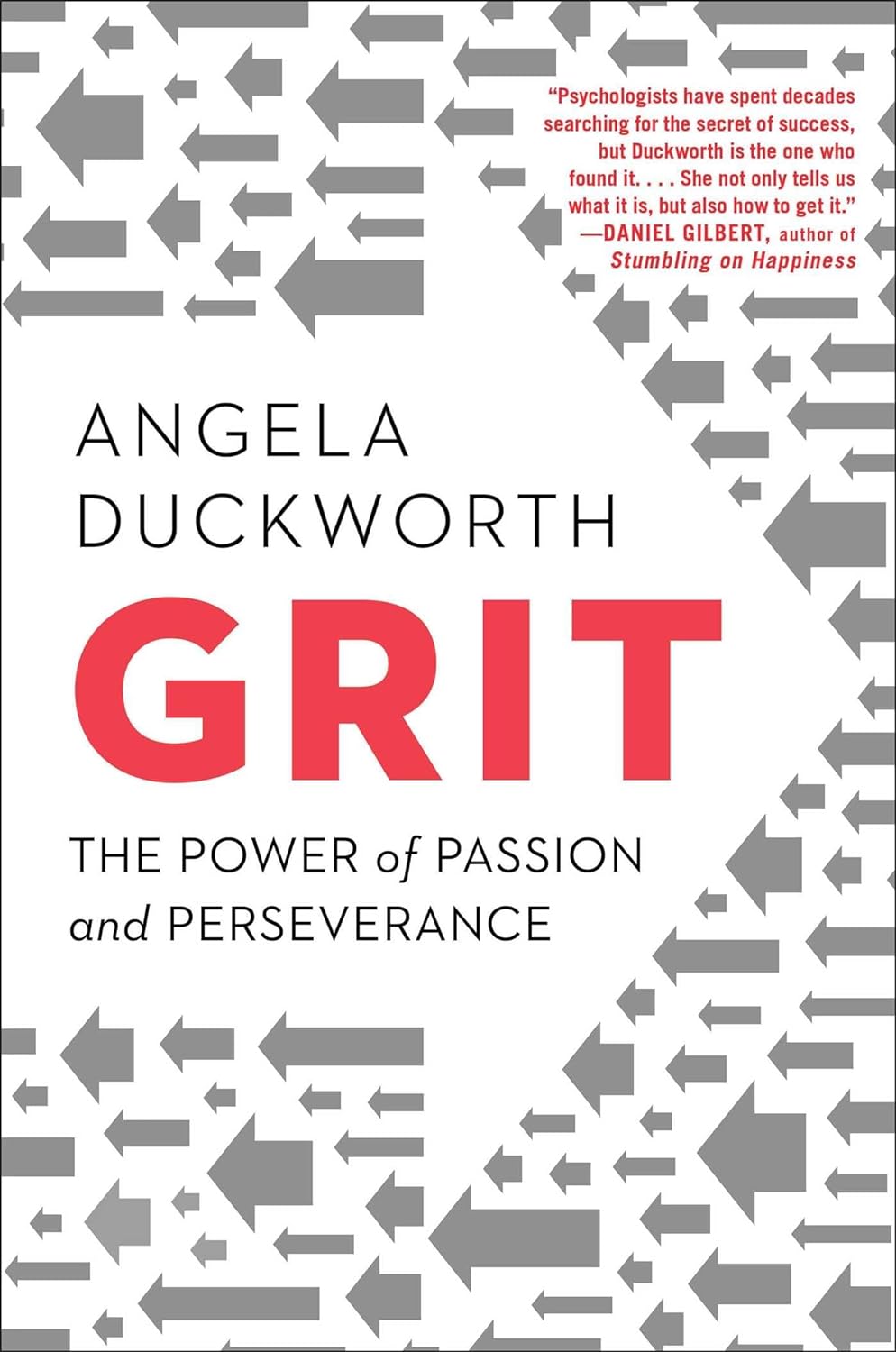
"Grit: The Power of Passion and Perseverance"
by Angela Duckworth
This book delves into the science of perseverance and passion, which are crucial components of mental resilience.
Duckworth's research shows that grit rather than talent is a crucial success driver.
It offers practical advice on cultivating grit and resilience in personal and professional life.
Grit can be developed through passion and sustained effort, leading to long-term success.
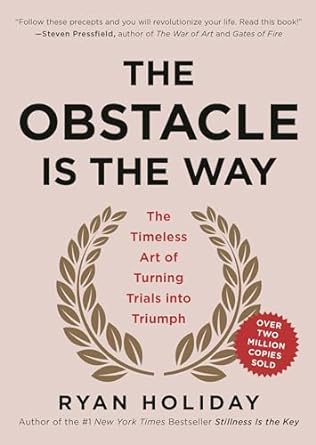
Based on Stoic philosophy, this book teaches how to transform obstacles into opportunities for growth.
Holiday emphasizes resilience, encouraging readers to embrace challenges and view them as stepping stones to success.
By changing our perspective on obstacles, we can develop the mental toughness needed to overcome adversity and achieve our goals.

by Viktor E. Frankl
Frankl's memoir about surviving the Holocaust provides profound insights into finding meaning and resilience amidst extreme suffering.
His concept of "logotherapy" highlights the importance of having a purpose to endure life's challenges.
Resilience is deeply connected to having a sense of purpose, which helps individuals endure and overcome the most difficult circumstances.
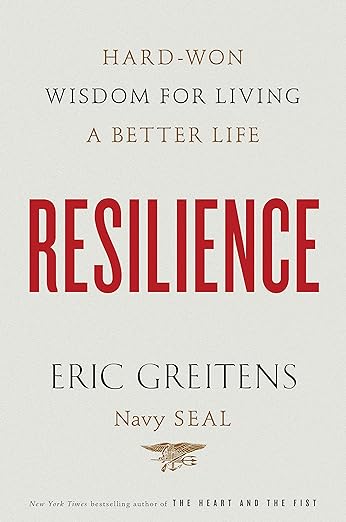
"Resilience: Hard-Won Wisdom for Living a Better Life"
by Eric Greitens
Written by a former Navy SEAL, this book offers practical advice and wisdom on building resilience.
Greitens combines his experiences with philosophy, psychology, and personal development lessons.
Resilience can be cultivated through discipline, understanding one’s purpose, and learning from successes and failures.
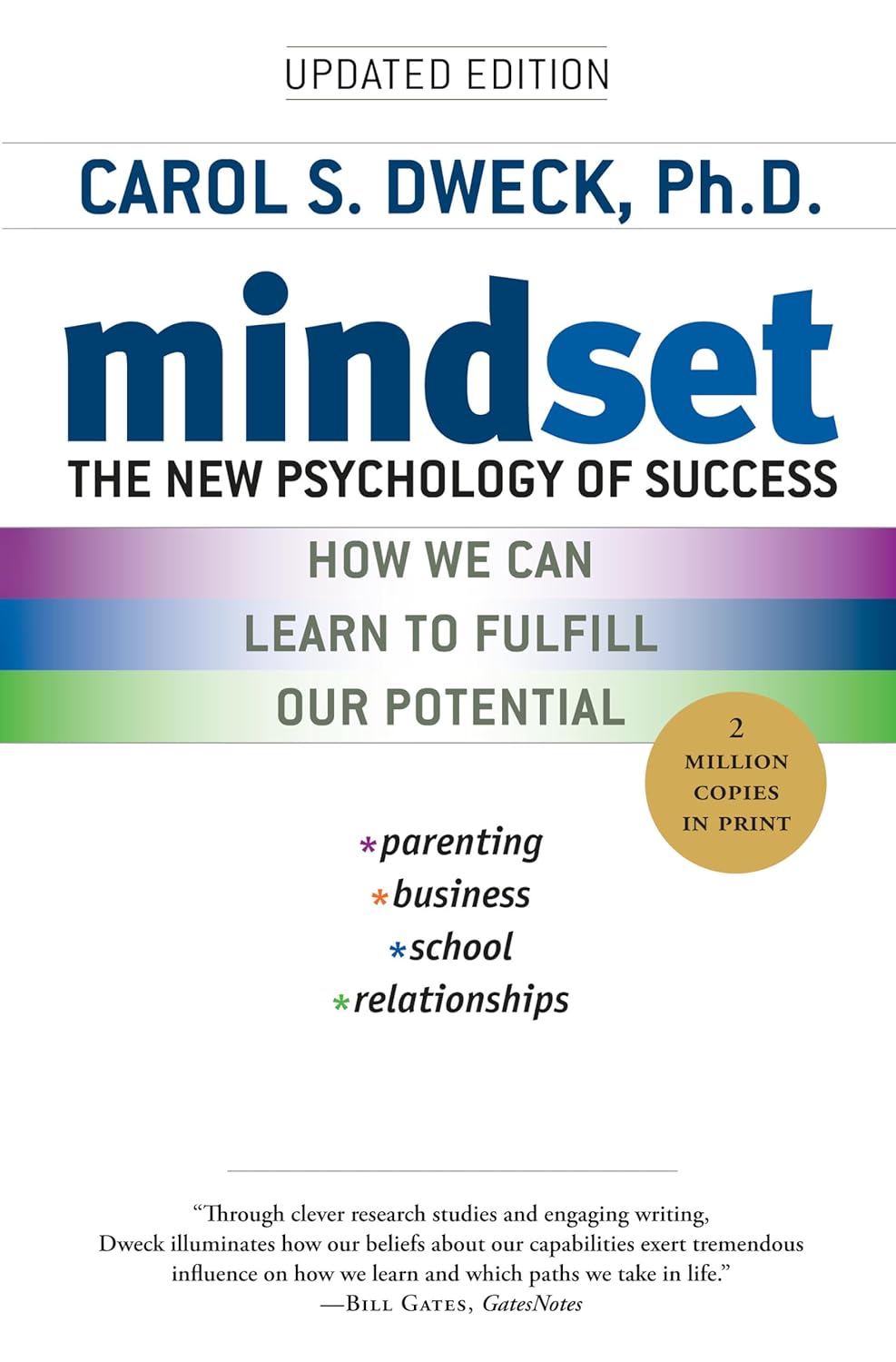
"Mindset: The New Psychology of Success"
by Carol S. Dweck
This book introduces the concept of the growth mindset, which is essential for developing resilience.
Dweck explains how embracing a mindset that values learning and effort over innate talent can lead to greater resilience and achievement.
Adopting a growth mindset fosters resilience by encouraging a focus on learning and persistence in facing challenges.
Bonus Recommendation
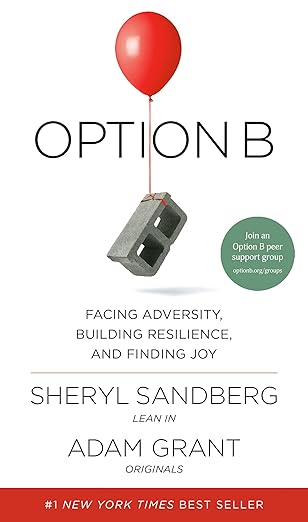
"Option B: Facing Adversity, Building Resilience, and Finding Joy"
by Sheryl Sandberg and Adam Grant
Co-written by Facebook COO Sheryl Sandberg and psychologist Adam Grant, this book explores building resilience and finding meaning in adversity.
Sandberg shares her journey after the sudden death of her husband, combined with Grant’s research on resilience and recovery.
The book offers a blend of personal stories, scientific insights, and practical advice, providing a comprehensive guide on building resilience and reclaiming joy after life’s most challenging setbacks.
GET THE DEMO FRAMEWORK NOW!

Disclosure: There are affiliate links in this post, meaning, at no additional cost to you, we will be compensated if you click through and take action. We are an affiliate marketing business that receives compensation from companies whose products we review on our website.
Disclaimer: This is not a get-rich-quick program nor do we believe in overnight success. We believe in hard work, integrity, and developing your skills if you want to earn more financially. As stipulated by law, we can not and do not make any guarantees about your ability to get results or earn any money with any of our products or services. The average person who buys any "how-to" information gets little to no results. Any references or examples used within this website are real and documented but are used strictly for example purposes only. Your results will vary and depend on many factors, including but not limited to your background, experience, and work ethic. All business entails risk as well as massive and consistent effort and action. If you're not willing to accept that, please DO NOT PURCHASE ANY PRODUCTS FROM US.