YOUR PATH TO CREATING FORTUNES
Harnessing Emotional Intelligence for Success: The Key to Thriving in Personal and Professional Life
In today's rapidly evolving world, success is not just defined by IQ or technical skills.
Emotional Intelligence (E.I.) has emerged as a critical factor in personal and professional achievements.
E.I. is the ability to recognize, understand, and manage our own emotions while identifying, understanding, and influencing the feelings of others.
Integrating E.I. with the principles of the DEMO Framework—Discipline, Education, Motivation, and Opportunities—can significantly enhance your journey toward success.
Understanding Emotional Intelligence
Definition and Components
Emotional Intelligence comprises five key components:
Self-Awareness: The ability to recognize and understand your emotions and their impact on others.
Self-Regulation: The ability to control or redirect disruptive emotions and impulses and adapt to changing circumstances.
Motivation: A passion for work beyond money and status and a propensity to pursue goals with energy and persistence.
Empathy: The ability to understand the emotional makeup of other people and treat them according to their emotional reactions.
Social Skills: Proficiency in managing relationships, building networks, and navigating social complexities.
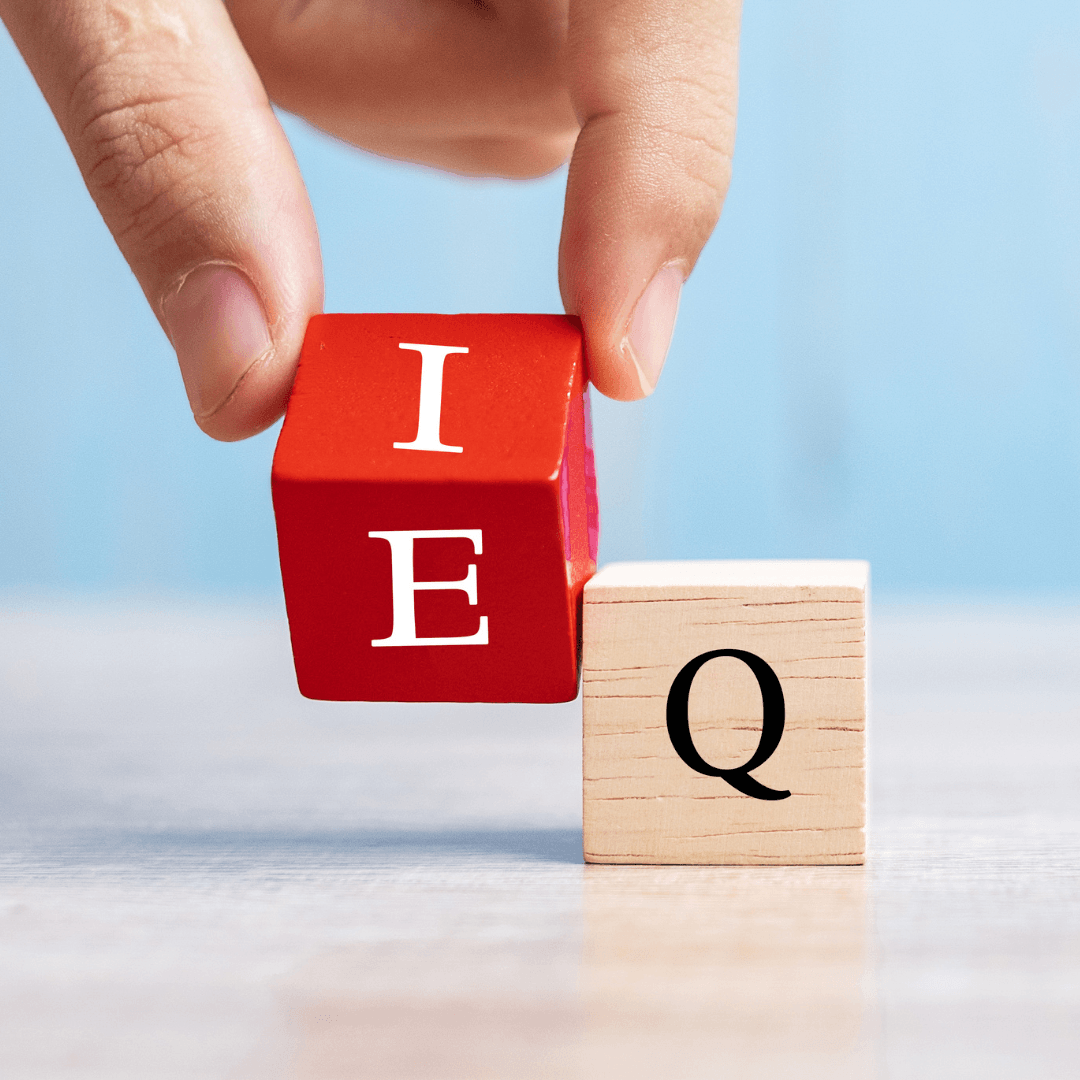
The Role of Emotional Intelligence in Personal Development
Self-Awareness
Understanding your emotions is crucial for personal growth.
By being aware of your emotional triggers and responses, you can make better decisions and improve your interactions with others.

Self-Regulation
Managing your emotions helps you maintain composure and stay focused under pressure.
Techniques such as mindfulness and stress management practices are effective in enhancing self-regulation.

Emotional Intelligence in Professional Development
Enhanced Communication
E.I. leads to more effective communication.
By being attuned to your and others' emotions, you can convey your messages more clearly and build stronger professional relationships.

Conflict Resolution
E.I. plays a vital role in resolving workplace conflicts.
Understanding the emotions behind conflicts enables you to address issues constructively and maintain a harmonious work environment.

Practical Applications of Emotional Intelligence
Building Stronger Relationships
Using E.I. to build and maintain relationships involves empathy, understanding others' perspectives, and responding appropriately to their emotional states.
This skill is invaluable both personally and professionally.

Career Advancement
High E.I. can lead to better career opportunities.
Employers value employees who can navigate the emotional landscape of the workplace, lead teams effectively, and foster a collaborative environment.

Strategies to Improve Emotional Intelligence
Improving Emotional Intelligence involves a mix of self-reflection, continuous learning, and practical application.
Here are some effective strategies to enhance your E.I.:
1. Self-reflection and Journaling
Keep an Emotion Journal: Write down your emotional experiences, what triggered them, and how you responded. This practice can help you identify patterns and areas for improvement.
Reflect on Emotional Responses: Take time to think about your reactions to various situations. Ask yourself why you felt a certain way and how you can better manage your emotions in the future.

2. Mindfulness and Stress Management
Practice Mindfulness Meditation: Mindfulness helps you stay present and manage your emotions more effectively. Apps like Headspace and Calm offer guided meditations designed to improve emotional regulation.
Engage in Stress-Relief Activities: Incorporate yoga, deep breathing exercises, or progressive muscle relaxation into your routine to better manage stress.

3. Active Listening and Empathy
Develop Active Listening Skills: Pay close attention to what others are saying without planning your response while they are speaking. This fosters better understanding and empathy.
Practice Empathy: Try to see situations from others' perspectives. Empathy exercises, such as imagining how you would feel in someone else's shoes, can enhance this skill.

4. Continuous Learning and Development
Take E.I. Courses and Workshops: Online platforms like Coursera and Udemy offer courses on emotional intelligence. These can provide deeper insights and practical tools for improvement.
Read Books on E.I.: Books like "Emotional Intelligence 2.0" by Travis Bradberry and Jean Greaves provide strategies and self-assessment tools for enhancing E.I..

5. Feedback and Mentorship
Seek Constructive Feedback: Regularly seek feedback from colleagues, mentors, or coaches on your emotional responses and interpersonal interactions.
Engage with a Mentor: A mentor can provide guidance, share experiences, and help you navigate emotional challenges in your personal and professional life.

6. Practice Emotional Regulation Techniques
Cognitive Reappraisal: This involves changing your interpretation of a situation to alter its emotional impact. For example, view a challenging task as an opportunity to grow rather than a threat.
Impulse Control Exercises: Techniques like the "10-second rule" (waiting 10 seconds before responding to a triggering situation) can help you manage impulses effectively.

Integrating Emotional Intelligence into the DEMO Framework enriches your approach to success.
By developing E.I., you enhance your capacity for Discipline, deepen your Education, sustain your Motivation, and seize Opportunities more effectively.
Today, practice E.I. techniques to become a more well-rounded and successful Fortune Creator.

"Emotional intelligence is the key to both personal and professional success."
– Daniel Goleman
Daniel Goleman, a renowned psychologist, popularized the concept of Emotional Intelligence in his groundbreaking book "Emotional Intelligence: Why It Can Matter More Than IQ."
His quote underscores E.I.'s fundamental role in achieving success across various domains of life.
Goleman's work highlights that while cognitive intelligence (IQ) is essential, understanding and managing emotions drives effective leadership, strong relationships, and personal well-being.
This aligns perfectly with the DEMO Framework, emphasizing the need to cultivate EI alongside Discipline, Education, Motivation, and Opportunities to achieve holistic success.
Focusing on Emotional Intelligence opens doors to deeper understanding, better relationships, and more tremendous success in all areas of life.
Embrace this journey, and watch as it transforms your personal and professional landscape.
Book Recommendation for Further Reads
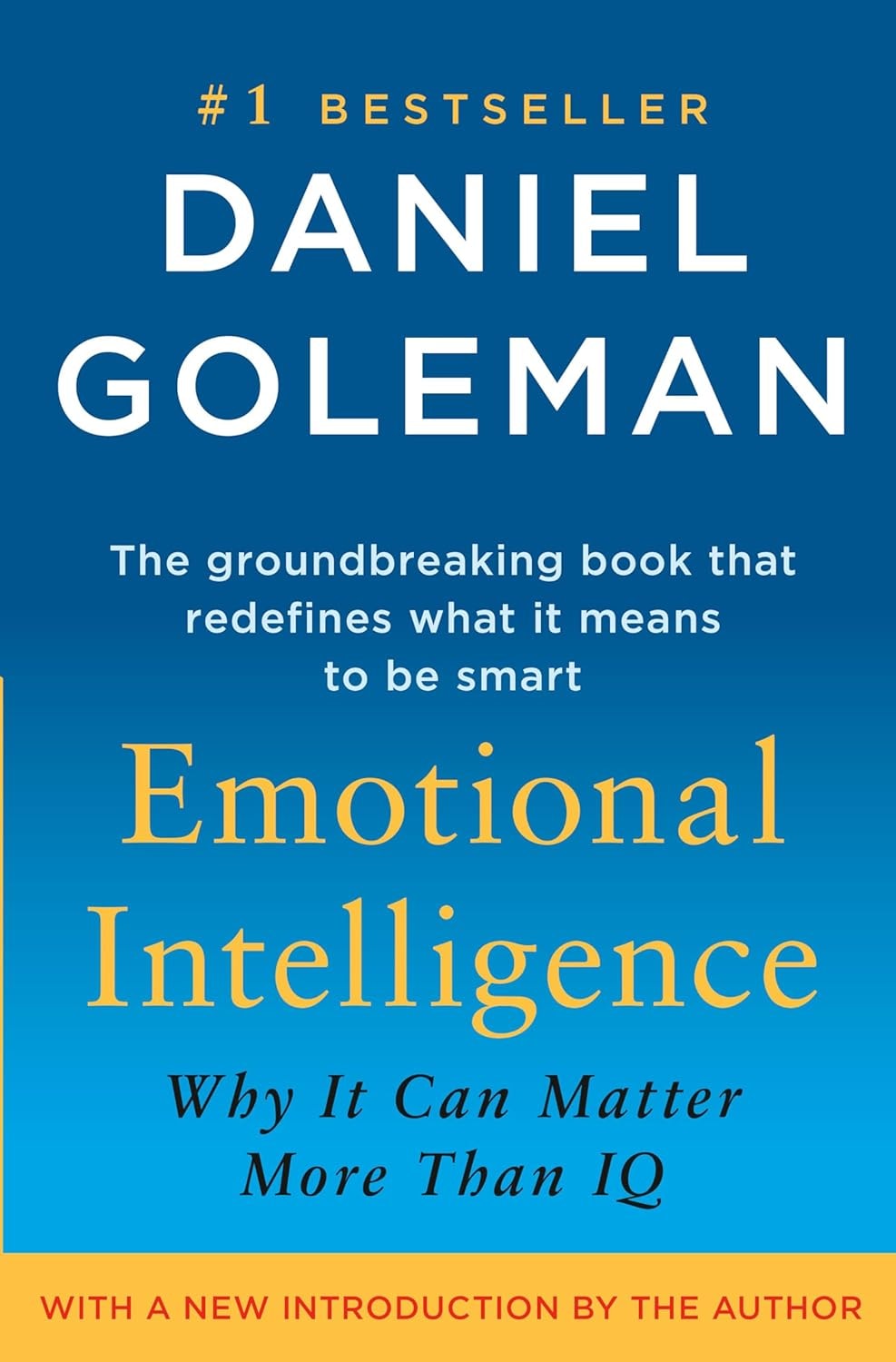
"Emotional Intelligence: Why It Can Matter More Than IQ"
by Daniel Goleman
This seminal book brought the concept of Emotional Intelligence (E.I.) into the mainstream.
Goleman explores how E.I. can significantly predict success more than traditional IQ.
It's an eye-opener for anyone looking to understand the profound impact of emotions on our lives.
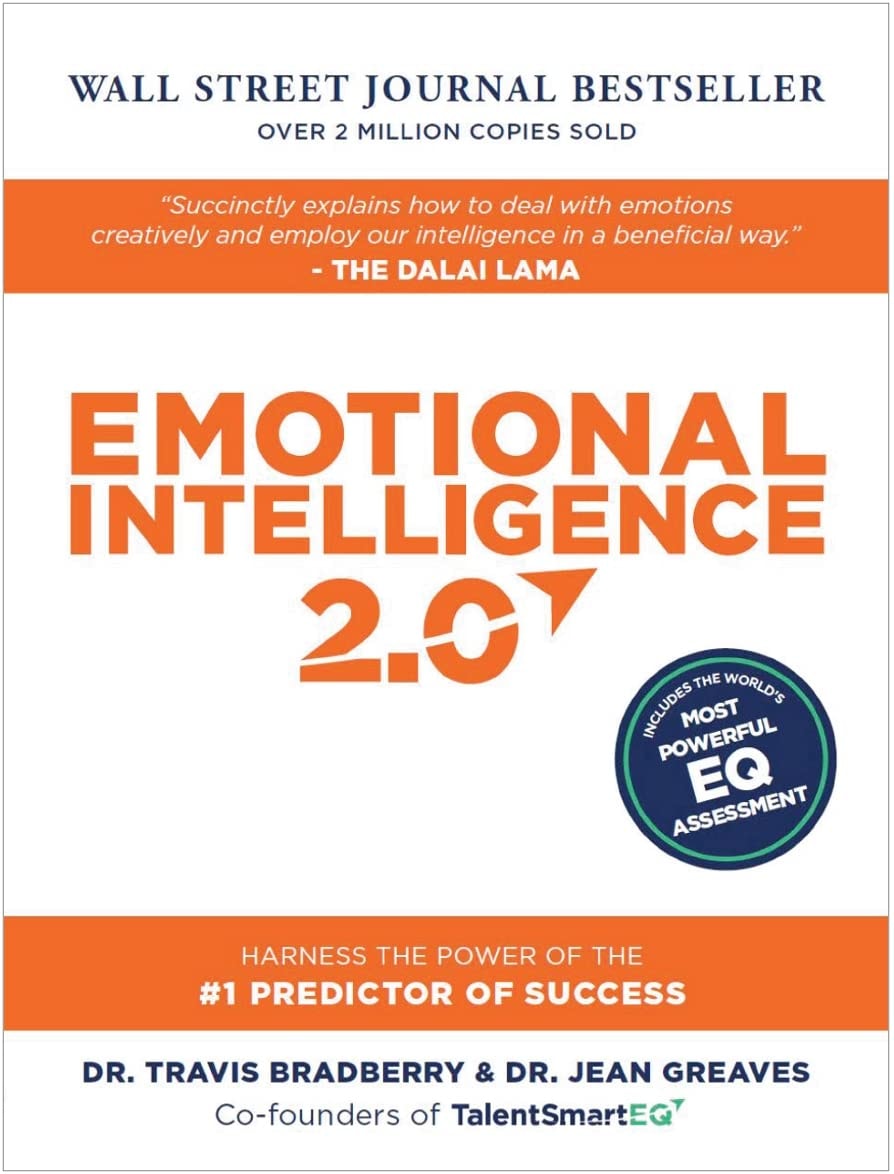
by Travis Bradberry and Jean Greaves
This book offers practical strategies for improving E.I..
With its self-assessment tool, you can identify your E.I. strengths and weaknesses, and the book provides actionable tips to enhance your skills.
It's like having a personal coach for your emotional growth.
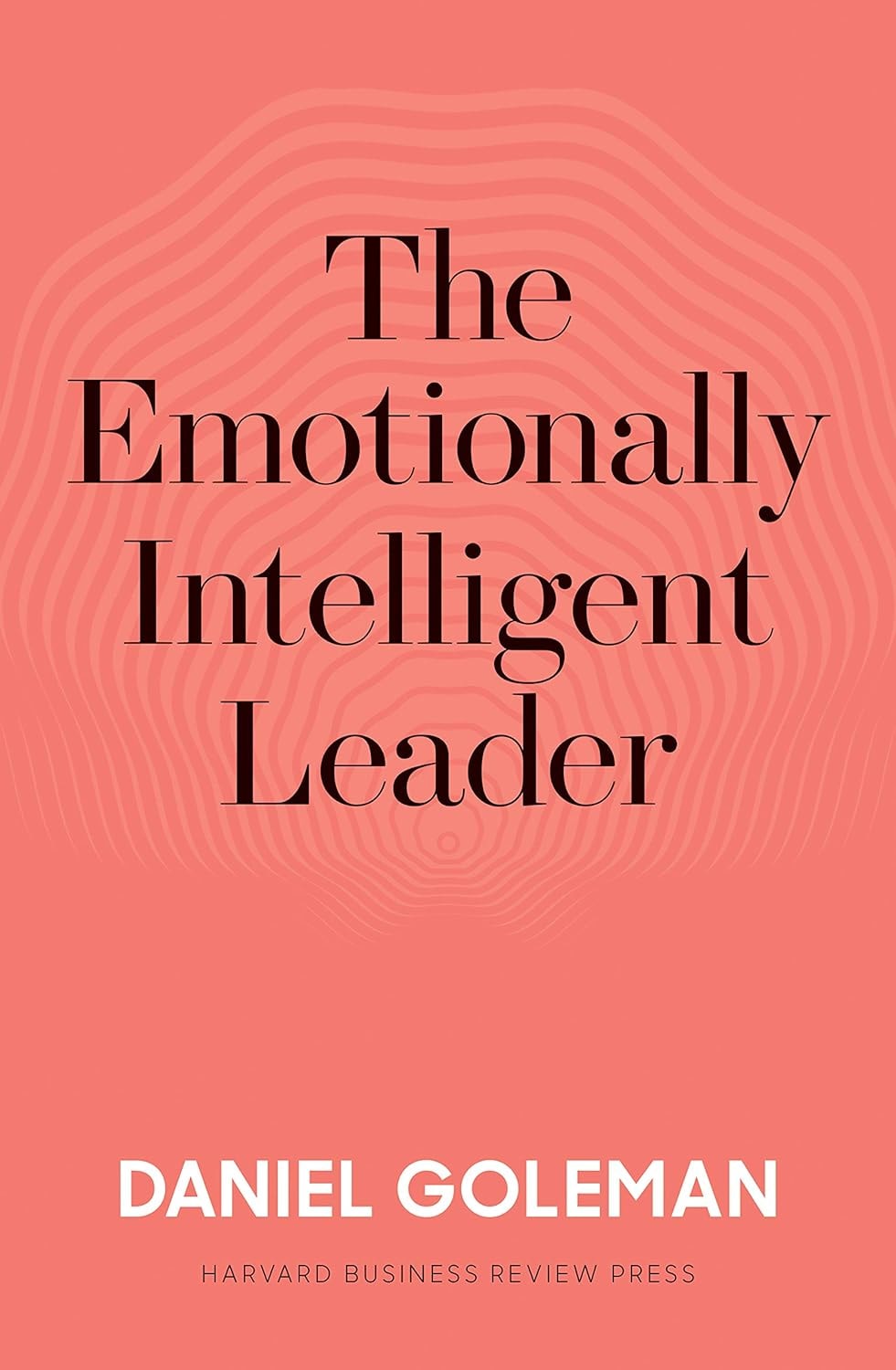
"The Emotionally Intelligent Leader"
by Daniel Goleman
Tailored for leaders and aspiring leaders, this book focuses on how E.I. can transform leadership.
Goleman provides insights and strategies to help leaders cultivate self-awareness, empathy, and social skills, making it a must-read for anyone in a leadership role.
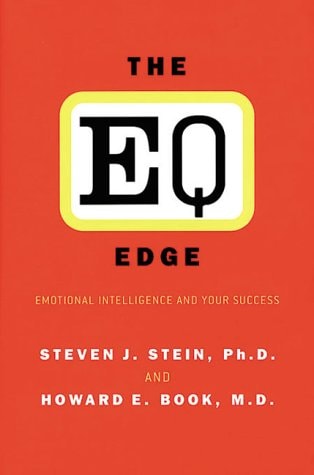
"The EQ Edge: Emotional Intelligence and Your Success"
by Steven J. Stein and Howard E. Book
This book delves into the science behind E.I. and provides practical advice on applying these principles in everyday life.
It's an excellent resource for those looking to boost their personal and professional relationships.
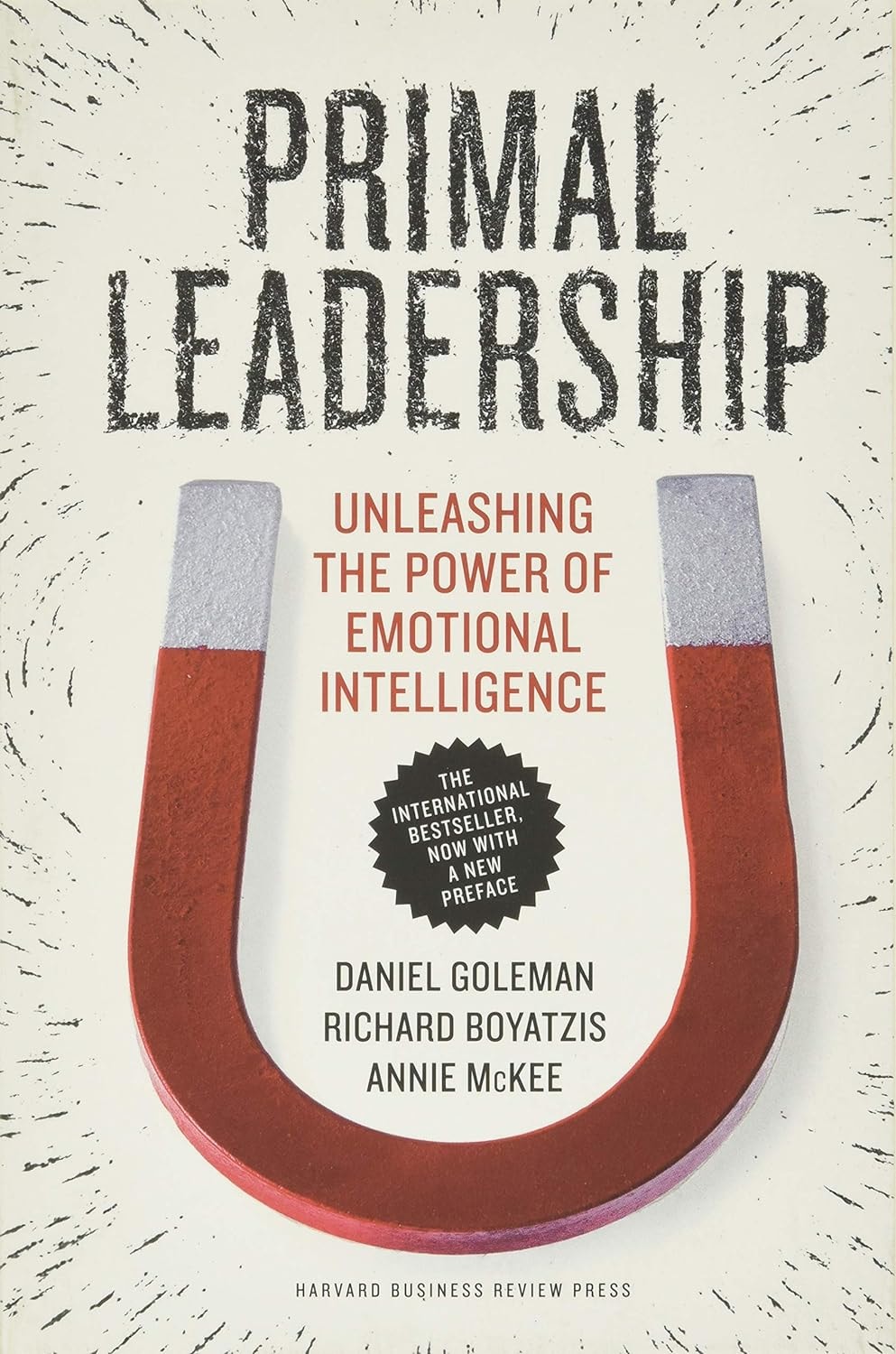
"Primal Leadership: Unleashing the Power of Emotional Intelligence"
by Daniel Goleman, Richard Boyatzis, and Annie McKee
This book applies E.I. principles specifically to leadership.
It demonstrates how leaders can harness the power of their emotions to inspire and drive change within their organizations.
It's a fantastic read for understanding the practical application of E.I. in leadership.
Bonus Book Recommendation
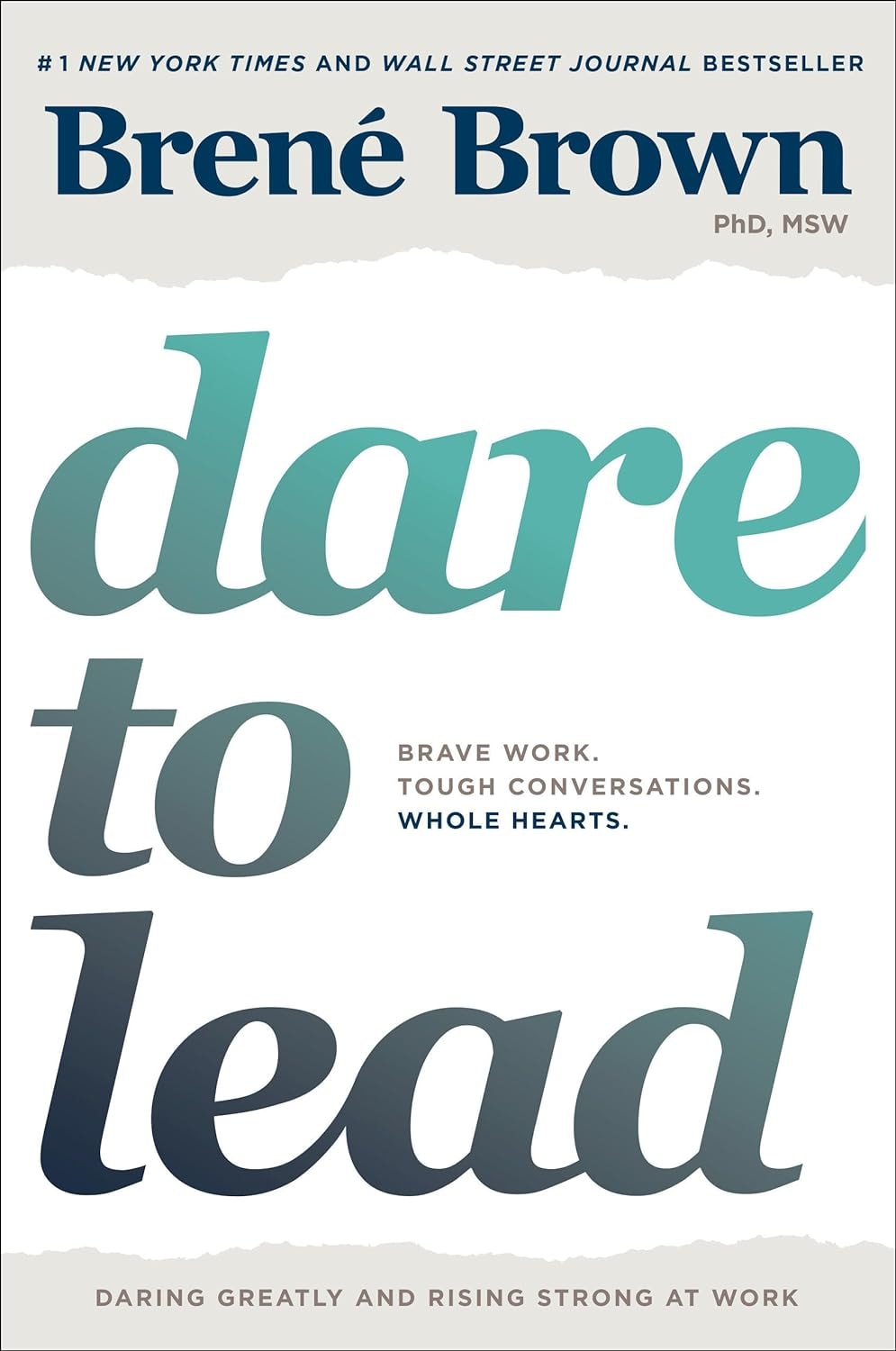
by Brené Brown
While not exclusively about E.I., Brené Brown's work on vulnerability, courage, and empathy is closely related.
"Dare to Lead" encourages leaders to embrace their emotions and lead with authenticity, making it a valuable read for anyone interested in E.I..
Explore more resources on ChristoFerdz.com and follow our blog for more personal and professional development insights.
Share your experiences with Emotional Intelligence in the comments or on social media using #FortuneCreators.
GET THE DEMO FRAMEWORK NOW!

Disclosure: There are affiliate links in this post, meaning, at no additional cost to you, we will be compensated if you click through and take action. We are an affiliate marketing business that receives compensation from companies whose products we review on our website.
Disclaimer: This is not a get-rich-quick program nor do we believe in overnight success. We believe in hard work, integrity, and developing your skills if you want to earn more financially. As stipulated by law, we can not and do not make any guarantees about your ability to get results or earn any money with any of our products or services. The average person who buys any "how-to" information gets little to no results. Any references or examples used within this website are real and documented but are used strictly for example purposes only. Your results will vary and depend on many factors, including but not limited to your background, experience, and work ethic. All business entails risk as well as massive and consistent effort and action. If you're not willing to accept that, please DO NOT PURCHASE ANY PRODUCTS FROM US.