YOUR PATH TO CREATING FORTUNES
Unlock Your Potential: The Power of Continuous Education in the DEMO Framework
Education: Expanding Horizons
Continuous learning and adaptation are key in an ever-evolving business landscape. The Education component of DEMO ensures that individuals remain at the forefront of industry trends, technologies, and methodologies. This pillar is dedicated to fostering a culture of growth and curiosity, encouraging pursuing knowledge as a lifelong journey.
By staying informed and skilled, you can navigate the complexities of your niche with confidence and creativity.

"An investment in knowledge pays the best interest." – Benjamin Franklin
This quote by Benjamin Franklin is a powerful reminder of the undeniable value of education. It suggests that the time and resources you dedicate to learning and self-improvement will yield the highest returns in both personal and professional aspects of life. In the context of the DEMO Framework, this quote underscores the importance of the Education pillar, emphasizing that continuous learning is not just beneficial but essential for achieving long-term success. By investing in your knowledge, you equip yourself with the tools needed to adapt to change, innovate, and excel in your niche, ultimately leading to unparalleled success and fulfillment.
Why Education is Crucial
Knowledge Expansion: Education broadens your understanding of the world, fostering a curious and open mindset that's essential for success. It equips you with the knowledge needed to navigate complex situations and make informed decisions.
Skill Development: Success in any field requires a certain set of skills. Education provides the training and experiences necessary to develop these skills, whether they're technical abilities, critical thinking, or effective communication.
Adaptability: In an ever-changing world, the ability to adapt is crucial for success. Education prepares you to adapt by exposing you to diverse perspectives and teaching you how to learn and apply new information quickly.
Confidence Building: The process of learning and mastering new subjects or skills boosts self-confidence. This self-assurance is vital for taking risks and facing challenges head-on, key components of a success mindset.
Networking Opportunities: Educational environments, whether formal institutions or online courses, provide opportunities to connect with peers, mentors, and industry professionals. These networks can be invaluable resources for guidance, collaboration, and opportunities.
Sample Scenarios
Career Advancement: An individual working in technology decides to pursue further education in emerging fields like artificial intelligence and machine learning. Through courses and certifications, they gain the advanced skills required to innovate in their work, leading to significant career growth and opportunities for leadership roles.
Entrepreneurship: A budding entrepreneur takes business management and finance courses to understand how to start and run a successful business. This education equips them with the knowledge to create a solid business plan, manage finances effectively, and navigate the challenges of entrepreneurship, ultimately contributing to the success of their venture.
Personal Fulfillment: Someone passionate about art takes classes to explore various techniques and mediums. This educational pursuit enriches their understanding and appreciation of art and opens doors to new creative endeavors and opportunities for exhibition or sale, turning a hobby into a potential career.
Powerful Questions for Reflection
How do you stay informed about the latest developments and trends in your field or areas of interest? This question evaluates your commitment to ongoing learning and awareness of industry—or field-specific advancements.
Can you describe a recent learning challenge and how you approached it? Understanding how one tackles learning obstacles can reveal resilience and adaptability in educational pursuits.
What are your primary sources for learning and professional development? Do you feel these sources effectively meet your learning needs? This assesses the diversity and effectiveness of learning resources and strategies.
How do you apply the knowledge and skills acquired through your educational activities to real-world situations or challenges? Knowledge application is key to effective learning; this question probes the practical integration of education.
Reflecting on your current learning methods, what techniques have you found most and least effective? Why? Insights into personal learning preferences and effectiveness can highlight areas for enhancement or change.

Strategies for Enhancing Education
Curate Learning Resources: Assemble a diverse collection of learning materials, including books, online courses, webinars, and podcasts, that cater to different learning styles and preferences. This ensures access to a broad spectrum of knowledge and skills.
Set Learning Goals: Establish clear, measurable learning objectives. Identify specific skills or knowledge areas to develop and track progress toward these goals.
Implement Learning Schedules: Dedicate regular time blocks for educational activities to ensure continuous learning.
Encourage Collaborative Learning: Foster an environment where knowledge sharing and collaboration are encouraged. Organize study groups, discussion forums, or peer-to-peer teaching sessions.
Leverage Technology: Utilize educational technology tools and platforms to facilitate learning.
Book Recommendations
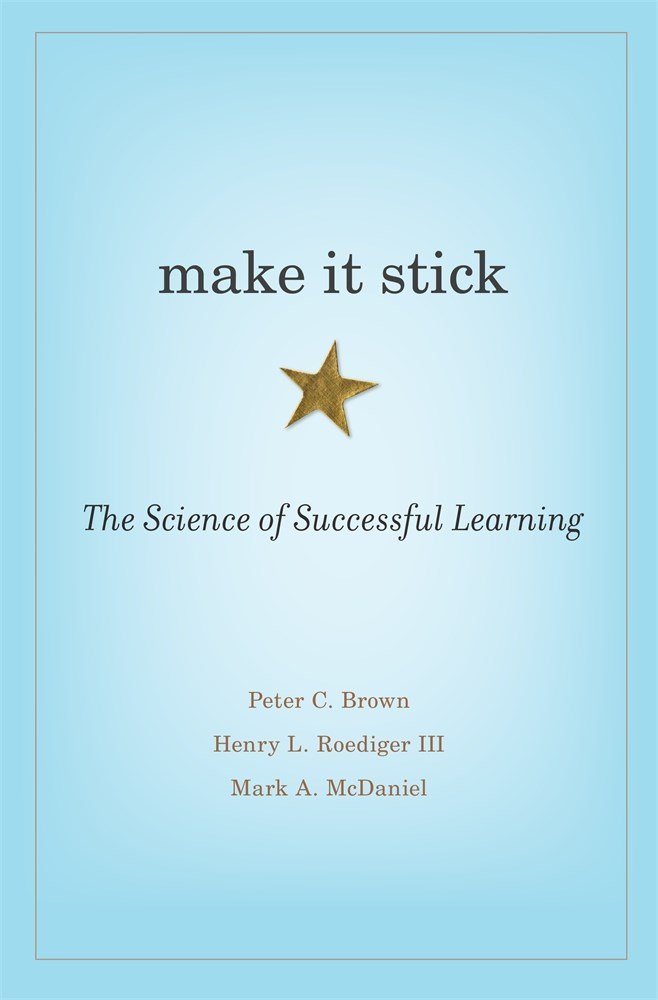
"Make It Stick: The Science of Successful Learning"
by Peter C. Brown, Henry L. Roediger III, and Mark A. McDaniel
This book offers insights into how we learn and provides strategies for improving learning effectiveness based on cognitive psychology.
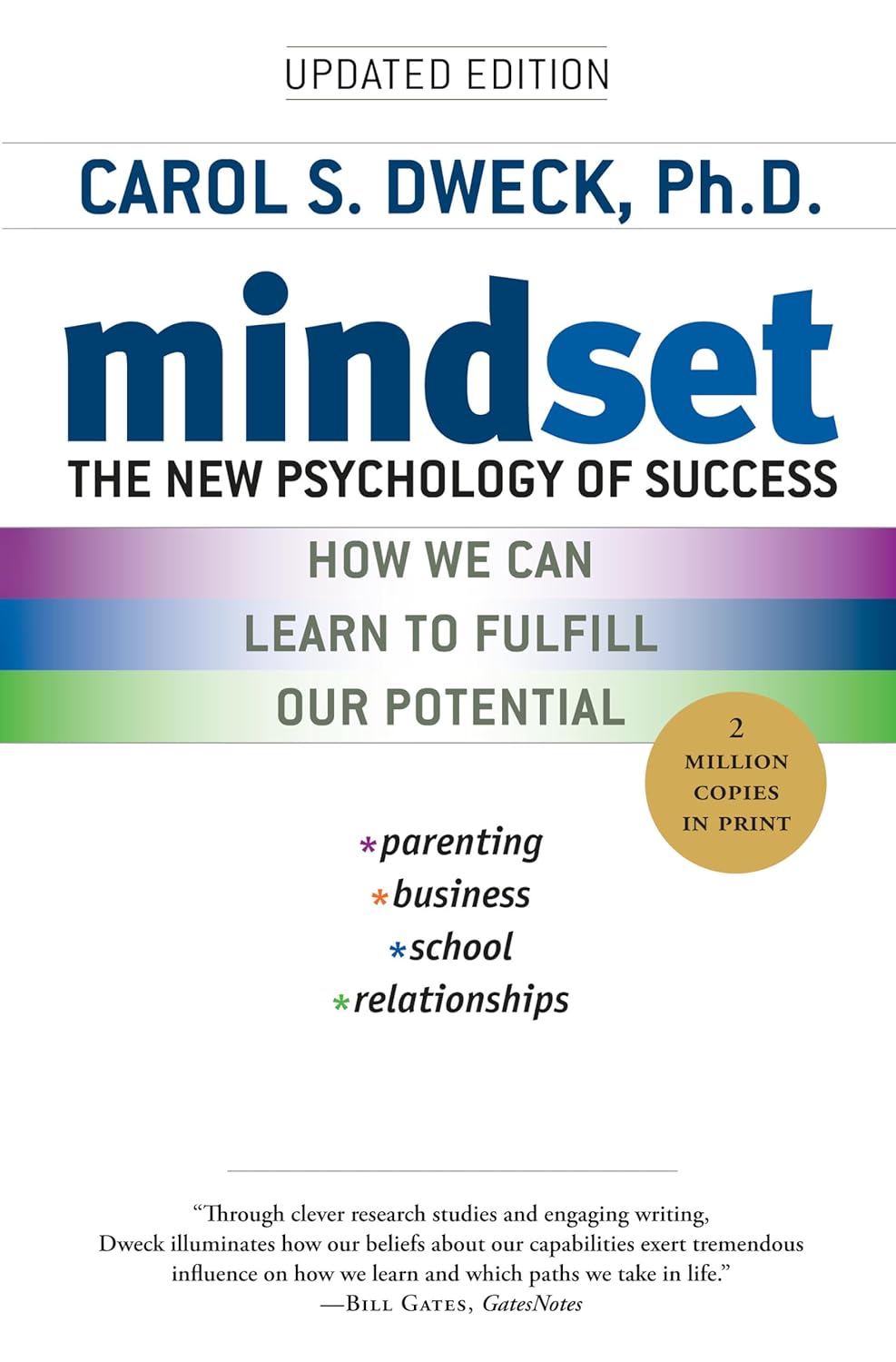
"Mindset: The New Psychology of Success"
by Carol S. Dweck
Explores the concept of "fixed" vs. "growth" mindsets and their impact on learning, providing a framework for fostering a love of learning and resilience.
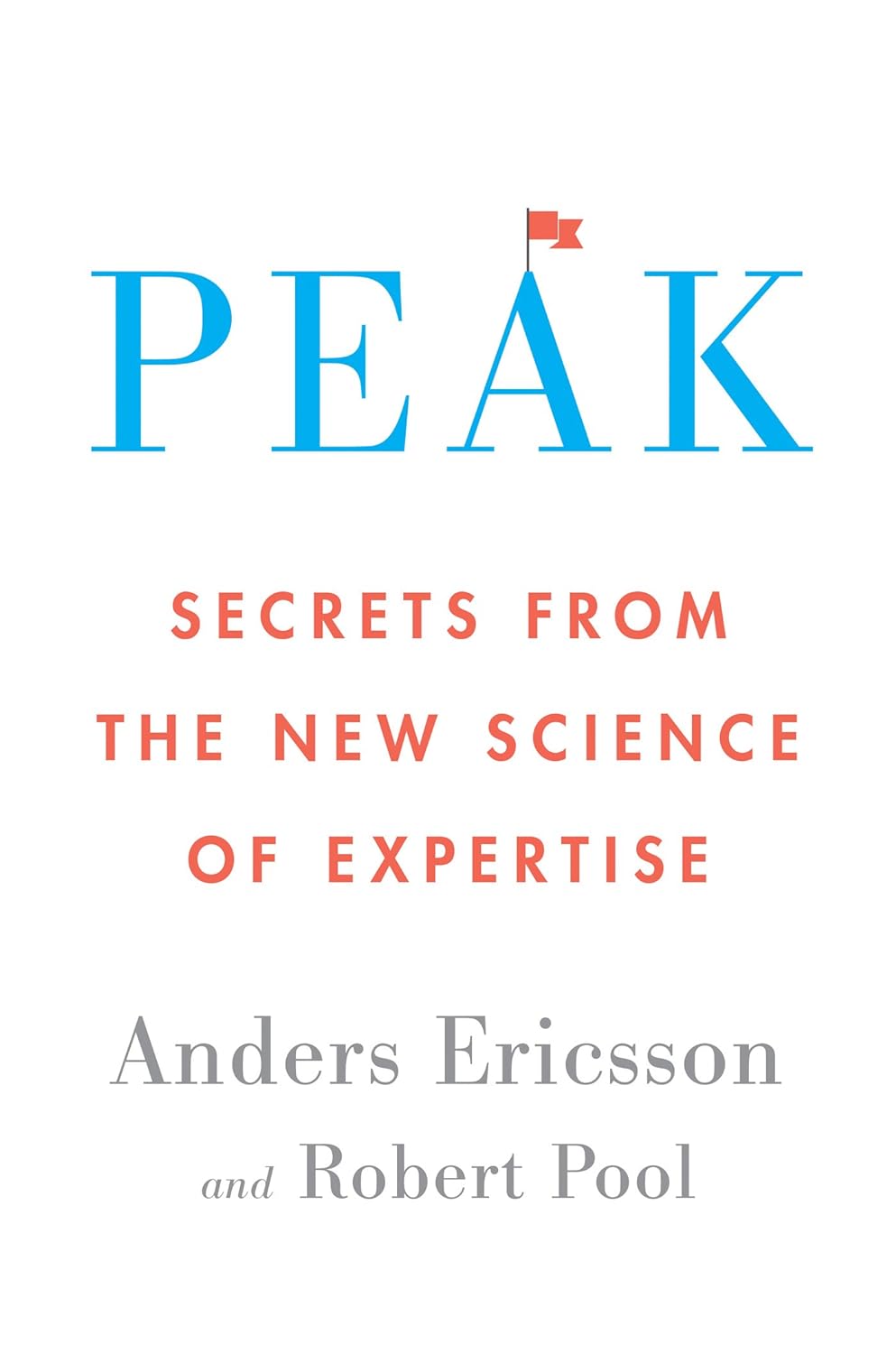
"Peak: Secrets from the New Science of Expertise"
by Anders Ericsson and Robert Pool
Delivers an exploration of how deliberate practice can dramatically improve performance in various fields, emphasizing the role of dedicated practice in mastering skills.
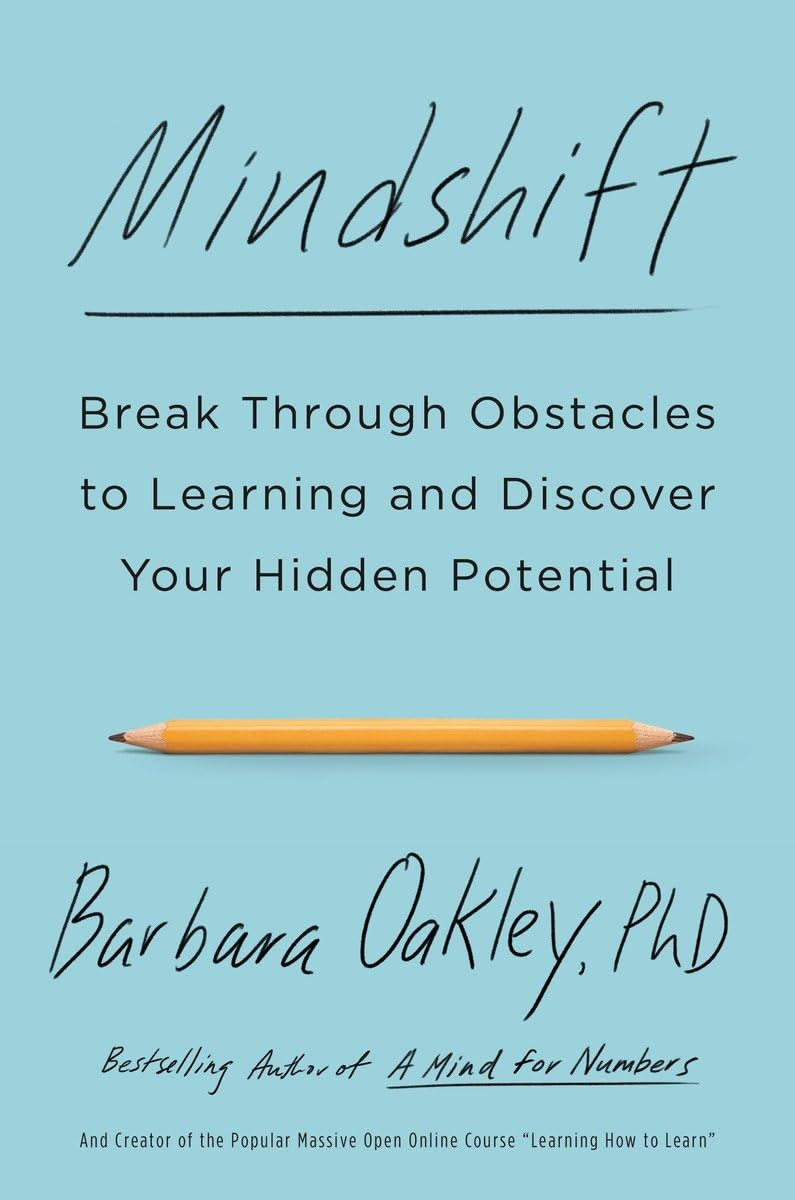
This book explores how we can overcome learning barriers and reinvent ourselves through the power of learning, offering practical advice on tackling difficult subjects.
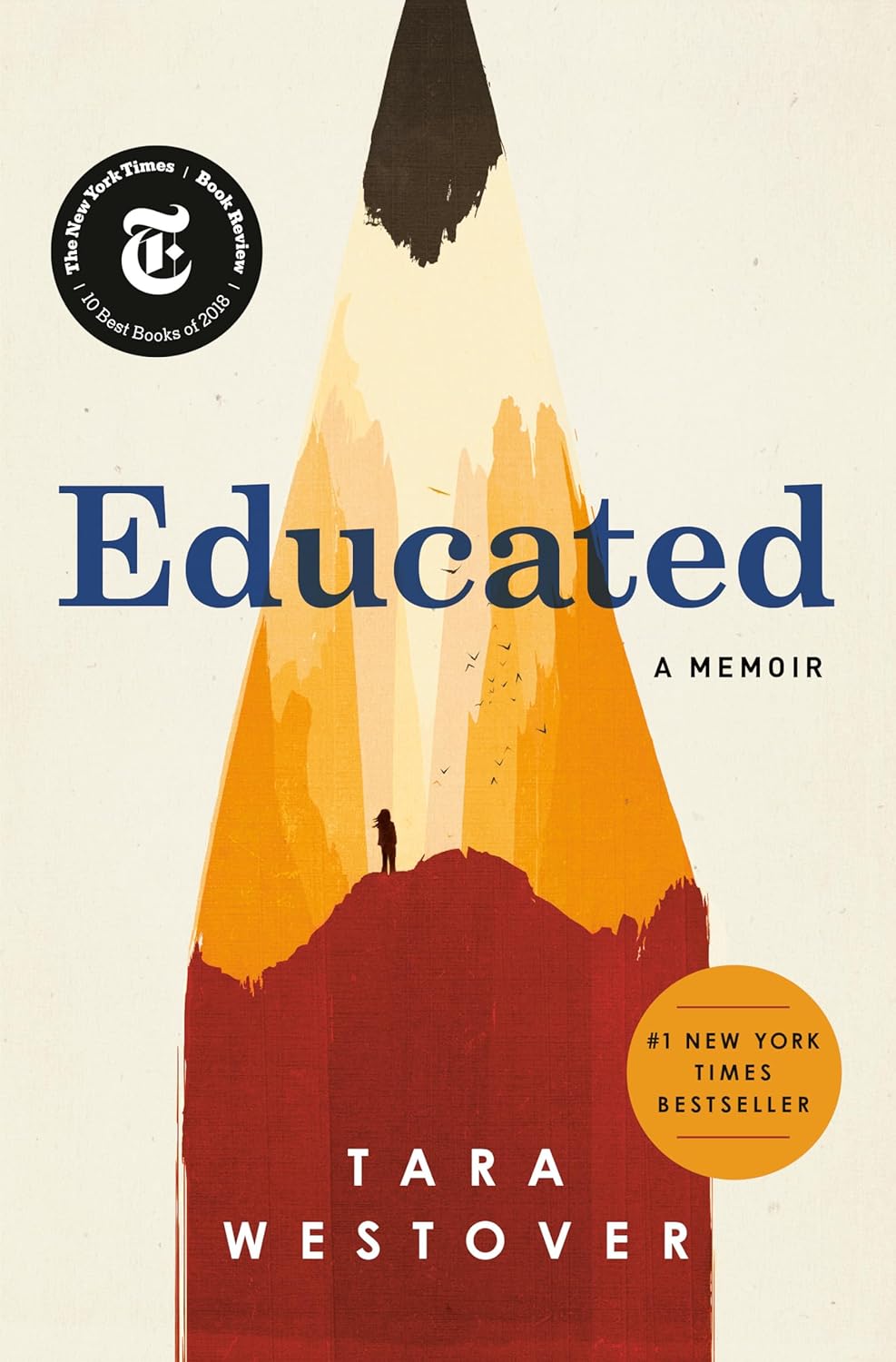
by Tara Westover
A powerful memoir that illustrates the transformative power of education, telling the story of the author's journey from a strict, isolated upbringing to earning a PhD from Cambridge University.
GET THE DEMO FRAMEWORK NOW!

Disclosure: There are affiliate links in this post, meaning, at no additional cost to you, we will be compensated if you click through and take action. We are an affiliate marketing business that receives compensation from companies whose products we review on our website.
Disclaimer: This is not a get-rich-quick program nor do we believe in overnight success. We believe in hard work, integrity, and developing your skills if you want to earn more financially. As stipulated by law, we can not and do not make any guarantees about your ability to get results or earn any money with any of our products or services. The average person who buys any "how-to" information gets little to no results. Any references or examples used within this website are real and documented but are used strictly for example purposes only. Your results will vary and depend on many factors, including but not limited to your background, experience, and work ethic. All business entails risk as well as massive and consistent effort and action. If you're not willing to accept that, please DO NOT PURCHASE ANY PRODUCTS FROM US.